Living within minutes of the most exquisite record shop around – the fabled aQuarius Records – lends a handful of advantages to my evergreen quest for new music. Each time I step inside, I hear something infectious on the PA; more often than not it is truly new to me. Last time, The Natural Yogurt Band set the stage for intrigue.
My Best of 2010 was basically an attempt to carve my musical experience of the past year down to its most essential, most ingrained elements. An attempt to sum up the music I feel had the largest impact on my listening, on my life.
I left out a lot of great albums. Thankfully, they were drawn from a text file kept on my desktop throughout the year, chronicling each album I decide, at a given moment, is awesome. Yes, it’s that simple. As time passes I remove the fleeting infatuations, anything not holding up. So I’m left with a solid list I can refer to in search of everything I really, truly enjoyed this year. This is it, in order I heard them.
Bullion – Say Goodbye To What EP
Four Tet – There Is Love In You
Arrington De Dionyso – Malaikat Dan Singa
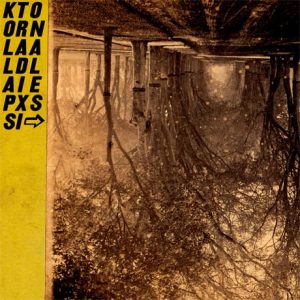
Thee Silver Mt. Zion Memorial Orchestra – Kollaps Tradixionales
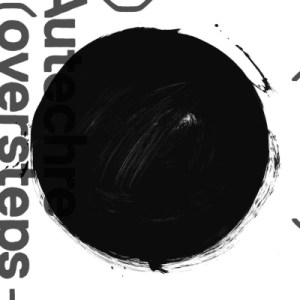
Autechre – Oversteps
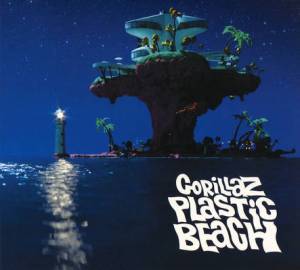
Gorillaz – Plastic Beach
Erykah Badu – New Amerykah Part Two: Return of the Ankh
Ikonika – Contact Want Love Have
Take – Only Mountain
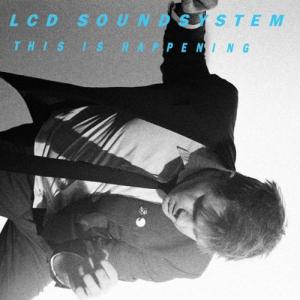
LCD Soundsystem – This Is Happening
Boris – Heavy Rock Hits Vol. 3
Connect_icut – Fourier’s Algorithm
Janelle Monae – The ArchAndroid
Rollo – 3
Yellow Swans – Going Places
Sightings – City of Straw
Guido – Anidea
Lorn – Nothing Else
Teebs & Jackhigh – Tropics EP
Infinite Body – Carve Out The Face Of My God
The-Dream – Love King
The Sight Below – It All Falls Apart
Deepchord Presents Echospace – Liumin
TOKiMONSTA – Midnight Menu
Oneohtrix Point Never – Returnal 7″
Scuba – Triangulation
Sepalcure – Love Pressure EP
Imbogodom – The Metallic Year
Singing Statues – Outtakes EP
Flying Lotus – Patter + Grid World EP
Seefeel – Faults EP
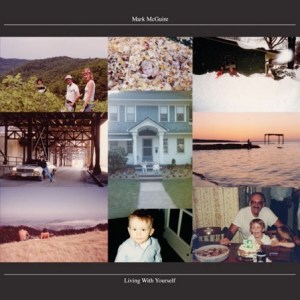
Mark McGuire – Living With Yourself
Efdemin – Chicago
T++ – Wireless
Gold Panda – Lucky Shiner
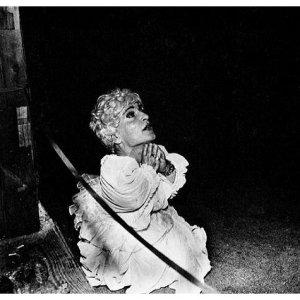
Deerhunter – Halcyon Digest
Balam Acab – See Birds EP
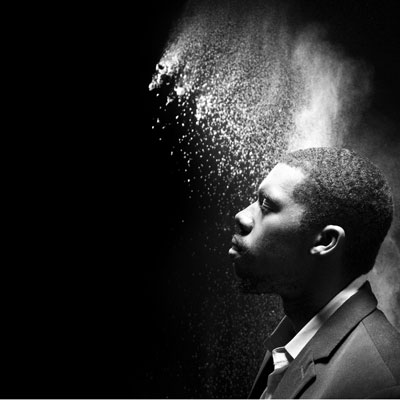
Gonjasufi – The Caliph’s Tea Party
VHS Head – Trademark Ribbons of Gold
Marcus Fjellström – Schattenspieler
Zach Hill – Face Tat
Games – That We Can Play
Zs – New Slaves
Fenn O’Berg – In Stereo
Richard Skelton – Landings
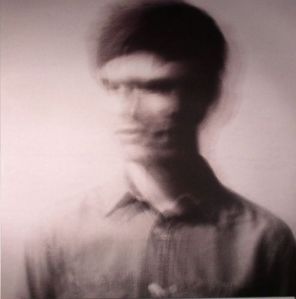
James Blake – Klavierwerke EP
Fursaxa – Mycorrhizae Realm
Dimlite – My Human Wears Acedia Shreds EP
Kurt Weisman – Orange
Clubroot – II MMX
So there it is. Something to remember is that any one of these albums may end up defining the year as much as the ‘true’ list – and that something I haven’t even heard yet may best them all. It’s happened before. This is why Optimistic Underground will soon post its first Music From Before 2010 But Discovered This Year list. This will cover the much wider range of music I was into this year, since there is already much more music out there than is being released at any given time.
[This post is subject to change. Like I’ll probably add one or two more by January.]
Flying Lotus has crafted a masterpiece. Cosmogramma is a state-of-emergency tidal wave of an album. This self-evident space opera is a rollicking behemoth, sweeping all imitators aside and redefining any and all notions of what this genre can be. This album is a clear step above everything else I’ve heard in 2010, and what I can only hope is a harbinger for the next decade of music evolution. Oh.. and it’s out today.
Those who know me know that I’ve got a certain itch that only Flying Lotus can scratch. But only two people know the significance this video holds for me.
In anticipation of his upcoming album Cosmogramma (out May 3, 2010 on Warp) I’ve decided to shine a light on one of my favorite artists working today, Steven Ellison aka Flying Lotus. To my ears, there isn’t a more exciting and promising career out there, with a body of work that speaks for itself and points to the future in every possible way. Listening to his 2008 masterpiece Los Angeles is to know exactly what heads mean when they say “next level shit.” He’s not only a step ahead of anyone else in the game, but appears to be having the most fun doing it.
This is to be the first in a series of posts leading up to the release of the album I’ve been jonesing for ever since my first bicycle ride with Los Angeles as the soundtrack. I felt it poetic to begin at the end of that album, with this mesmerizing lock-groove-driven number, sprinkled with achingly gorgeous vocals courtesy of Laura Darlington (Mrs. Daedelus and one half of The Long Lost, to those who care). Not only is the song a perfect set closer, but it’s accompanied by one of thoe most simply poetic and visually sumptuous videos I’ve seen in a long while. I’ll let you decide how you like it, but suffice to say it’s works like this which sustain my faith in the art form.
Keep your eyes on here for the latest updates and any tracks which may be dropped between now and May 3.
Transcendence is my favorite Alice Coltrane album. In my humble opinion, it’s one of the greatest jazz albums of all time, by anyone. I’ll try to concisely extol the many virtues of this wonderfully titular-promise-fulfilling album.
“Transcendence is the key that unlocks the indelible mystery of Alice Coltrane’s music. It is the unerring creative mission statement, the irresistible driving force that pushes her soul towards your own.
Reaching the listener emotionally, psychologically and spiritually is an essential part of the endeavor but the act of going beyond conventional forms of communication, of acceding to a higher state of consciousness, is the ultimate raison d’être.”
Since the liner notes in my handy CD reissue lay it out so succinctly, I feel the need only to briefly describe the music itself. Divided into two distinct phases, the album starts off with meandering cloud shimmers of Alice’s effortlessly magical harp. At first nearly traditional sounding, emulating the first rumblings of a symphony, the amorphous harp-centric sound winds through the second, more abstract tune, before gathering into a purposeful rhythm by the ending of the third track. The final echoes softly give way to the low end hum of Coltrane’s sublime organ workout, which drives the rest of the album along a hand-clapping gospel singalong evocation of the various names of the gods.
This western gospel/eastern philosophy mashup feels so comfortably entwined that it comes across like the most natural progression of this idea possible. The sharp tonal divide would stand out more if it weren’t the perfect combination of contrast and duration: the buildup feels like meditation, being lost in thought and nothingness, before a moment of clarity snaps the world into focus. The local cohabitants emerge and reach towards the outer edges of the world as the gods’ names are chanted in the communal practice of Sankirtan, Alice’s favorite sacrifice. It’s an elated ride from introspection to vocal providence; such an enjoyable trip that we’re nigh unaware of the spirituality fueling the journey. Turn this on and let it get you high – or get high before turning it on. Transcendence is all that matters.
John Cale & Terry Riley, two of the most important names in 20th century composition, formed an unlikely alliance for this one-off project in 1971. The result was one of the weirdest entries in either sonic titan’s personal oeuvre.
First of all: look at that cover art! After dozens of listens, I still don’t know the significance of this, yet have grown more fond each time I see it. The care and attention put into this is a small signifier of the music within; the big picture may seem obviously grand on first glance, yet astounding little details emerge during close inspection and bring the project into focus when one returns to the wider view.
Instead of performing a balancing act between Riley’s spacey minimalism and Cale’s avant-rock nature, each artist seems to pull the other in a direction previously unexplored. Of course, it’s not entirely surprising if you’re familiar with the output of both geniuses, but the sound is defiantly no exact split down the center of their respective sensibilities. From raging textural passages to alien placidity, through jazz whispers and on to a straight up vocal number, there’s more variety in these five tracks than a good portion of the rest of their careers.
The opening features Riley-an organ tones riffing over a krautrock groove of moaning guitars and intricately barbaric drumming, the whole jam subtly erupting and then sighing to a close. Second track The Hall of Mirrors in the Palace at Versailles hews closest to Riley’s minimalist nature with an appropriately meandering, lost-organ and woodwind shuffle while the short closer, The Protege, feels almost like a lost bluesy instrumental from The Velvet Underground‘s golden days (when Cale was in the group). Everything in between veers wildly between these extremes and even, in the epic centerpiece Ides of March, shoots for the moon in a song so neurotically busy with busted drums and ticklish piano that it manages to evoke one of my favorite turns of phrase: maximized minimalism.
The project seems to have been such an exception for each artist that, by all accounts, neither was satisfied with the end result. Luckily for those of us with an outside view, the work stands on its own as a unique hybrid, a historical artifact, and an eclectically bopping good listen.
You can unearth this brilliant jewel of a buried treasure at cduniverse or amazon.






















 Optimistic Underground